
Best Smart Home Devices to Build an Automated Home
For years, the promise of the “Smart Home” was plagued by infuriating fragmentation. Consumers routinely found themselves juggling seven different proprietary smartphone apps, setting up fragile third-party bridge hubs, and discovering that their expensive smart bulbs refused to communicate with their smart thermostat.
The ratification and widespread adoption of the Matter interoperability standard and Thread wireless mesh protocol has fundamentally rewritten smart home architecture. Today, devices communicate locally with one another across manufacturer boundaries—allowing an Apple HomeKit sensor to trigger an Amazon Alexa smart plug via a Google Home hub.
Whether you are starting from scratch in an apartment or retrofitting an expansive family residence, this blueprint outlines the premier, battle-tested smart home devices across climate, security, lighting, and power management.
The Foundation Smart Home Blueprint
| Smart Home Category | Top Recommendation | Wireless Protocol | Matter Compatible? | Key Standout Feature |
|---|---|---|---|---|
| Smart Thermostat | Ecobee Smart Thermostat Premium | Wi-Fi / Thread | Yes | Remote room temperature & occupancy sensors |
| Smart Door Lock | Yale Assure Lock 2 Plus | Matter-over-Thread / Apple Home Key | Yes | Tap iPhone/Apple Watch to unlock (NFC) |
| Smart Video Doorbell | Reolink Video Doorbell (PoE / Wi-Fi) | Local RTSP / Dual-Band Wi-Fi | Integrates via ONVIF/Home Assistant | 2K 5MP sensor with 24/7 continuous local recording |
| Smart Lighting System | Philips Hue with Bridge | Zigbee / Matter | Yes | Flawless reliability, beautiful color tuning, accessories |
| Smart Plugs & Energy Monitoring | Eve Energy Smart Plug | Matter-over-Thread | Yes | Micro-watt electricity tracking; local execution |

1. Climate Automation: Intelligent Thermostats
Heating and cooling account for over 50% of the average household’s total energy consumption. An intelligent thermostat is the single smart device that genuinely pays for itself over time.
Why Ecobee Leads the Pack:
- Remote Room Sensors: Traditional thermostats measure temperature in a single central hallway that nobody sits in. Ecobee bundles satellite sensors that detect occupancy and temperature in bedrooms and home offices, intelligently balancing airflow where you actually spend your time.
- Air Quality Monitoring: Built-in VOC and humidity sensors alert you when indoor carbon dioxide or particulate levels rise, automatically triggering your HVAC fan to circulate fresh air.
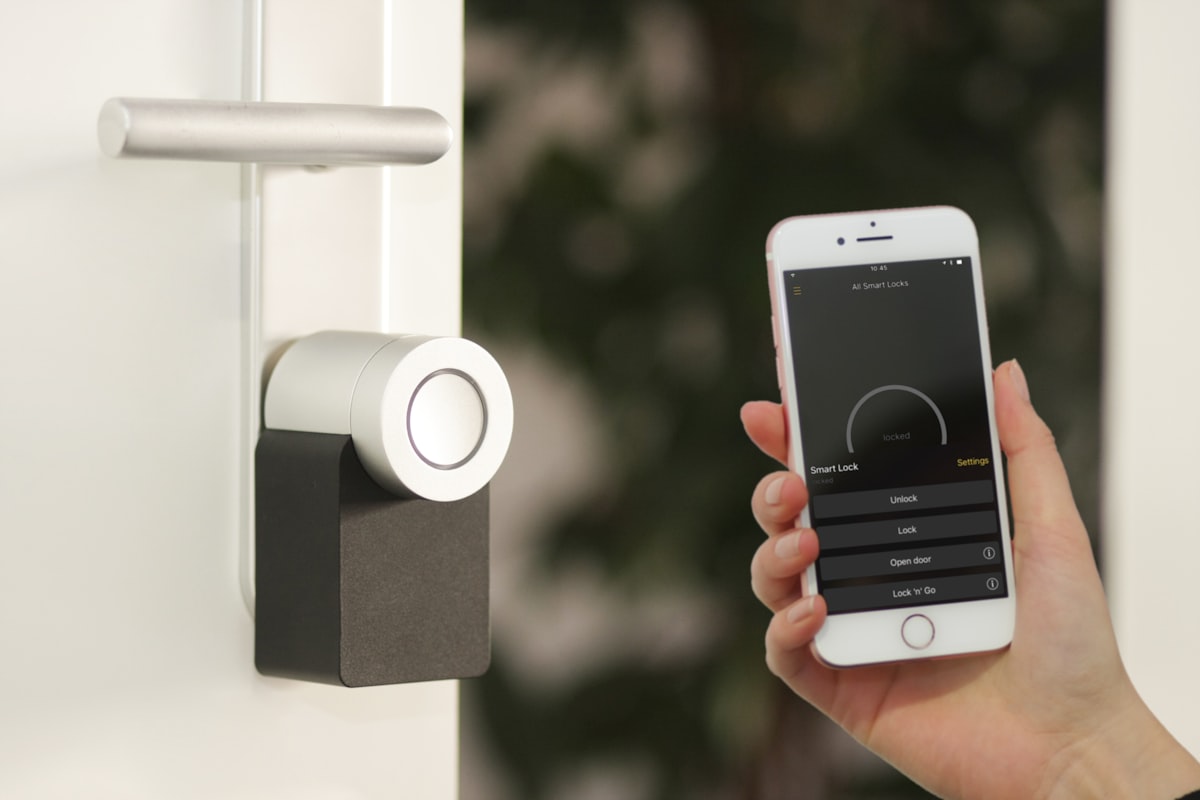
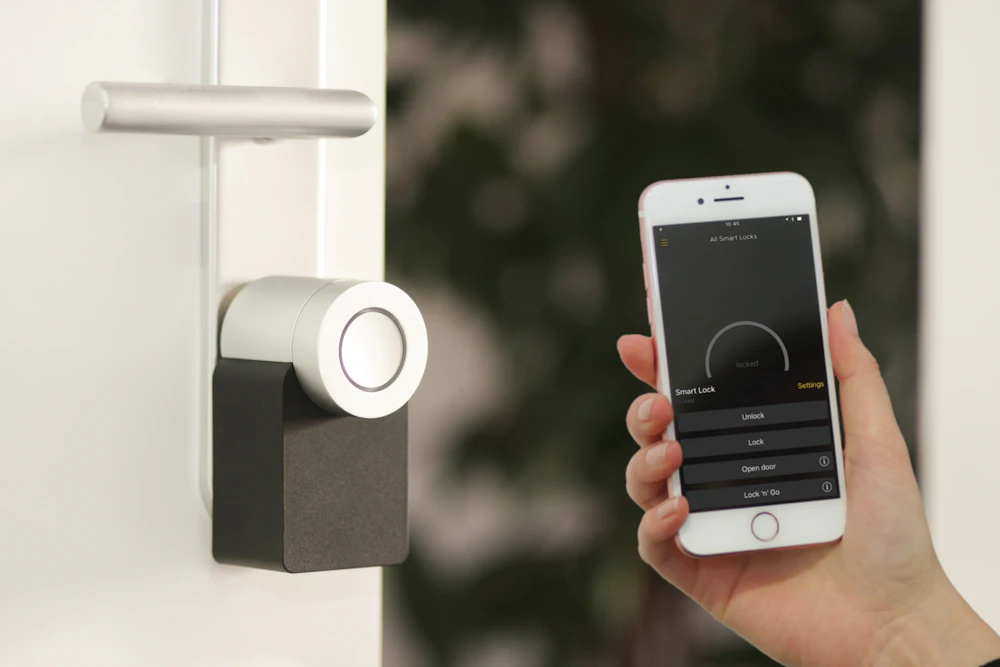
2. Access Control: Smart Locks with Physical Redundancy
A smart lock must prioritize physical security above all else. If an electronic lock runs out of battery or encounters a software crash, it cannot leave your family locked outside in a storm.
The Yale Assure Lock 2 Plus:
- Apple Home Key Support: Features near-field communication (NFC). Simply tap your iPhone or Apple Watch against the lock face to retract the deadbolt instantly—even if your phone’s battery died hours earlier.
- Matter-over-Thread Integration: Eliminates clunky Wi-Fi bridges that drain batteries every two months. Thread battery life easily exceeds 12 to 14 months on four standard AA cells.
- Physical Keyway Backup: Always choose a smart lock that retains a traditional mechanical brass keyway for emergency manual access.
3. Perimeter Security: The Problem with Cloud Doorbells
The smart home security market is flooded with video doorbells (Ring, Nest) that lock critical features behind expensive monthly cloud subscriptions ($10 to $20/month) and introduce annoying notification lag.
The Superior Local Alternative:
Devices like the Reolink Video Doorbell and UniFi Protect G4 Doorbell store footage locally onto internal MicroSD cards or Home Network Video Recorders (NVR):
- Zero Monthly Subscriptions: Your footage is your property, stored inside your own home.
- Instantaneous Chime Response: When someone presses the physical doorbell, your internal chime rings immediately with zero cloud server delays.
- 24/7 Continuous Recording: Never miss a package thief because a motion sensor failed to trigger two seconds early.
4. Smart Lighting: Bulbs vs Smart Wall Switches
A classic smart home blunder is replacing all your light bulbs with smart bulbs while leaving traditional wall toggle switches in place. The moment a family member flips the wall switch down, electrical power is cut, rendering your smart bulb completely unreachable and “offline.”
The Solution:
- For Main Ceiling Lights: Install Smart In-Wall Switches (Lutron Caséta or Meross). The switch physically cuts and restores power, meaning automations work perfectly regardless of how the physical paddle is flipped.
- For Floor Lamps and Accents: Use Philips Hue Smart Bulbs to introduce rich color palettes, circadian sunrise alarms, and dynamic TV backlighting sync.
Essential Automations That Actually Improve Life
A smart home should operate invisibly in the background without requiring voice commands:
- The “Good Night” Lockup: At 11:00 PM, an automated routine verifies that all exterior deadbolts are locked, garage doors are closed, thermostat temperatures drop to 68°F for restful sleep, and perimeter security sensors are armed.
- Occupancy-Based Hallway Lighting: Motion sensors in hallways illuminate soft amber nightlights at 10% brightness between midnight and 6:00 AM, guiding bathroom trips without blinding your night-adjusted eyes.
- Automated Humidity Exhaust: Moisture sensors in the bathroom automatically activate ceiling exhaust fans during hot showers, shutting off only when humidity levels normalize to prevent mold.

